The venture · Hemp green energy
Carbon-negative buildings. Community-owned supply chains.
We turn industrial hemp into high-performance building materials — and turn that supply chain into ownership for the communities that build it.
The opportunity
Construction is one of the largest sources of global emissions. Hemp flips that — turning buildings into carbon sinks while creating an American manufacturing and trades economy that local communities can own.
Carbon-negative
Hemp sequesters CO₂ as it grows; lime binders reabsorb carbon as they cure.
Healthier homes
Vapor-open, mold-resistant walls with excellent air quality and comfort.
Community-owned jobs
A supply chain — farming, processing, trades — that communities can own.
Resilient & fast
Recyclable cold-formed steel framing assembles quickly and lasts for generations.
The system
Three building blocks.
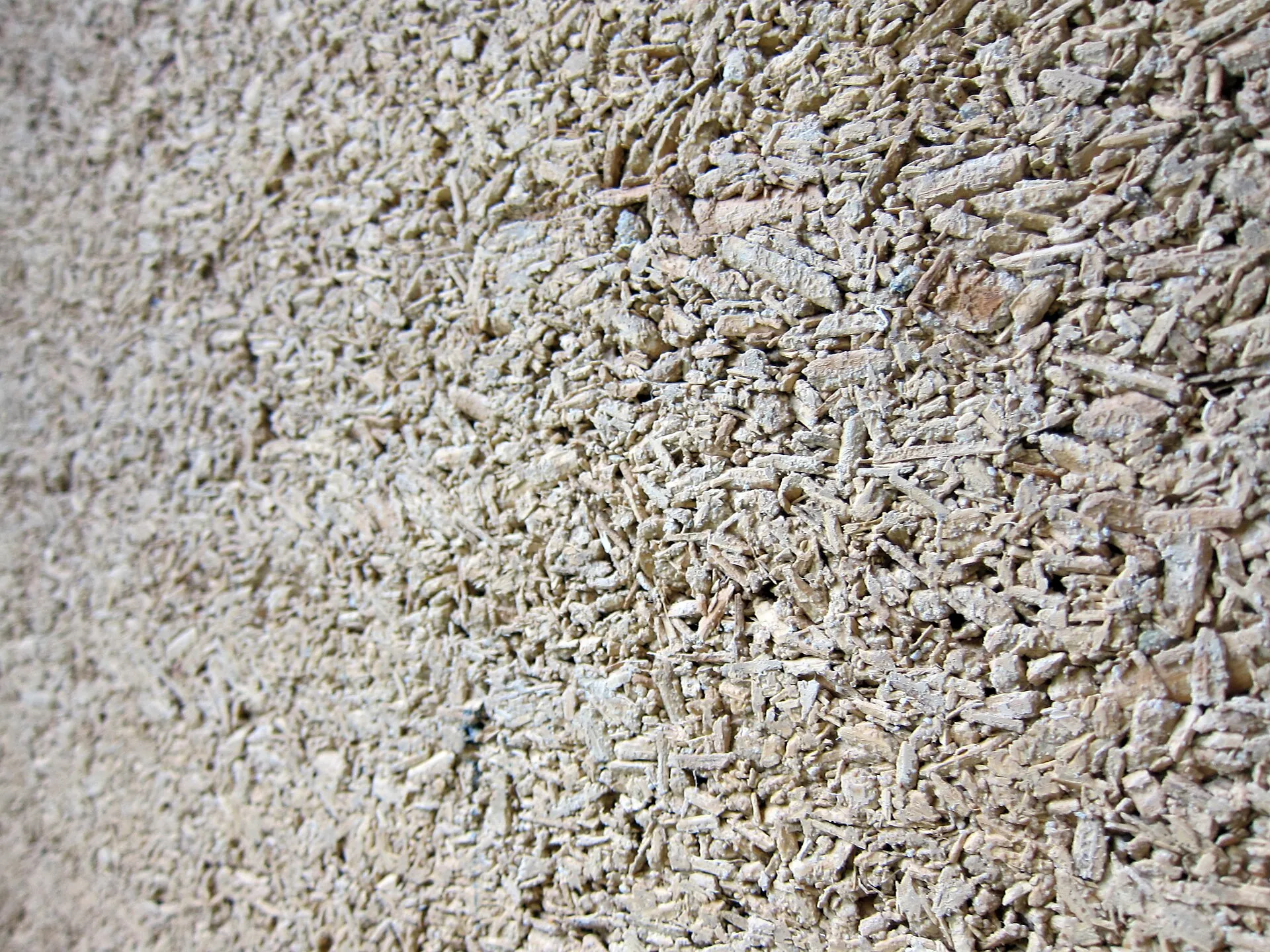
Hempcrete
A carbon-negative, fire-resistant, breathable bio-composite that turns industrial hemp into healthy, high-performance walls.
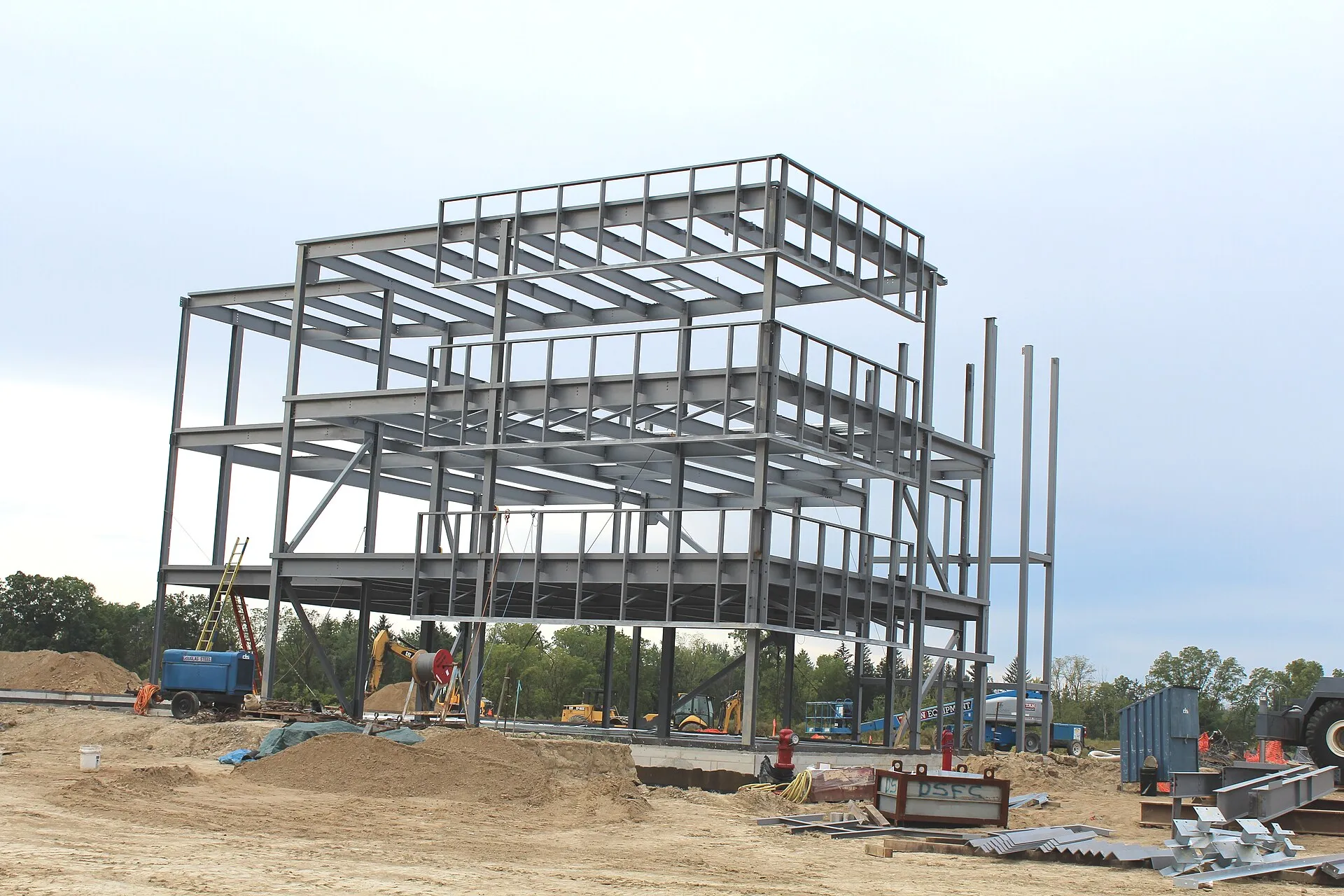
Cold-Formed Steel + Hemp
Pairing recyclable cold-formed steel framing with hemp insulation for fast, resilient, low-carbon building envelopes.
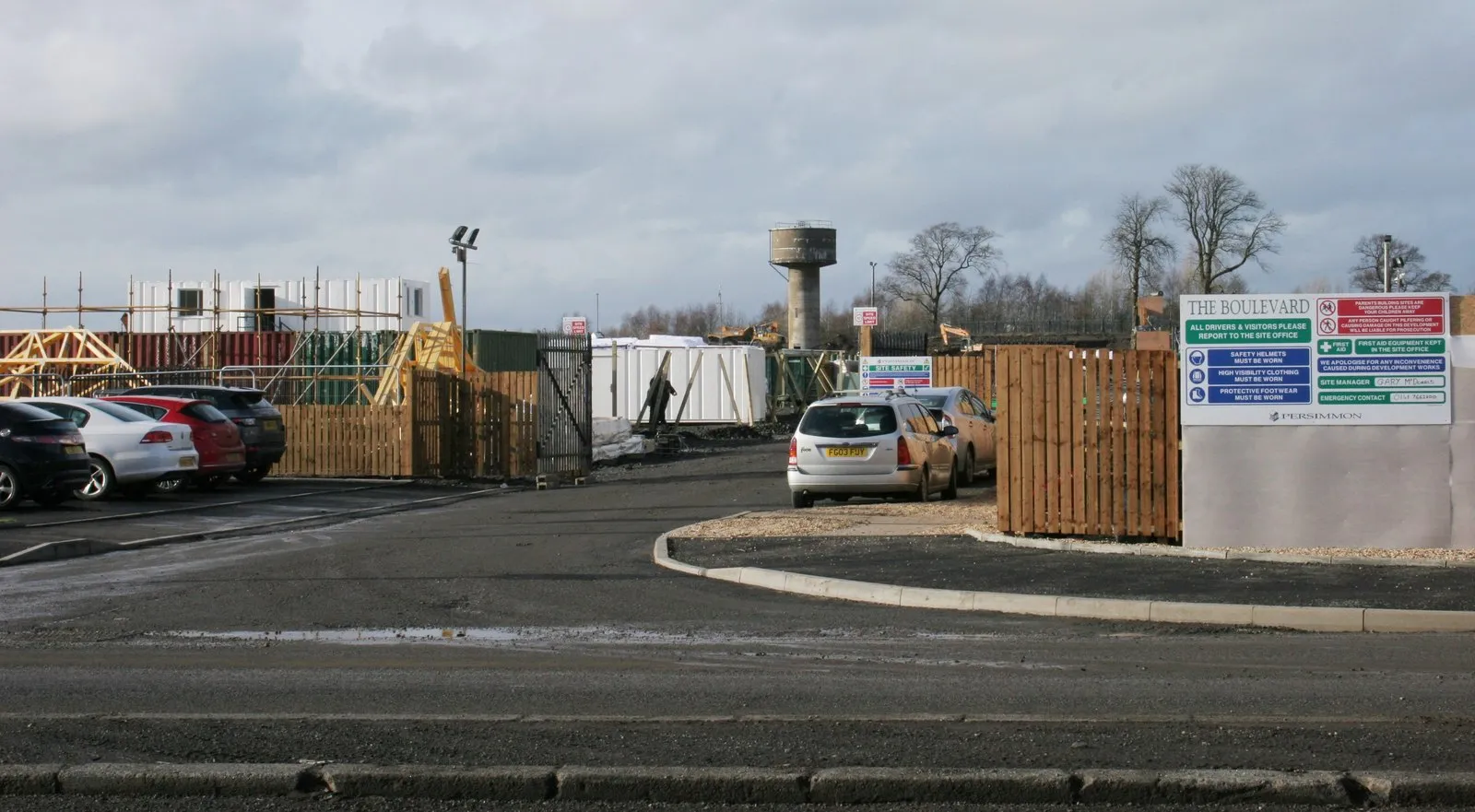
Pilots & Projects
Demonstration builds and partnerships proving the economics of regenerative materials at real-world scale.
Questions
What partners ask first.
What exactly is the venture building?+
A building system that pairs hempcrete — a carbon-negative bio-composite insulation — with recyclable cold-formed steel framing, plus the domestic supply chain and trained workforce to deliver it at scale.
Is hemp construction legal and code-recognized in the U.S.?+
Yes. Industrial hemp was federally legalized by the 2018 Farm Bill, and hemp-lime (hempcrete) was incorporated into the 2024 International Residential Code as an appendix — a major step toward mainstream adoption.
Who is this for?+
Investors backing climate-positive materials with real social return, developers and builders seeking low-carbon envelopes, and partners across farming, processing, and the skilled trades.
How does this connect to the cannabis-education work?+
It is the same mission — turning knowledge and materials into community ownership — applied to the built environment. The vocational model that trained a workforce now feeds a green-building supply chain.
Back the materials of the next economy.
Investors, developers, and supply-chain partners — let's build something that lasts.